

The AI Innovation Award
Core AI is where the model itself is the innovation — not an application that happens to call one. For teams building foundation models, agentic systems, retrieval architectures, inference at the edge and the MLOps that keeps any of it running in production.
- Independent jury
- 250
- Innovations evaluated
- 4,500+
- AI winners, 16th edition
- 21
- Running since
- 2010
Academics, scientists, officials, investors
Across seventeen editions
Enterprise and startup tracks
India’s longest-running innovation award
Three AI categories. This is the one about the model.
Most nominations that fail here fail because they were in the wrong category. Read across before you write anything.
Innovation in Core AI
The AI itself is the innovation — the model, the architecture, or the engineering that makes it run.
This category
Innovation in Functional AI
AI applied to a business function that almost every company has, judged on that function’s own results.
Innovation in Industry AI
AI shaped around one sector’s regulation, physics or workflow.
Who should enter
- Teams that have trained, fine-tuned or distilled a foundation model for a real workload
- Agentic systems that plan and act across multiple tools, not a simple wrapper around a single chat model
- Retrieval-augmented systems that solve a genuine accuracy or up-to-date information problem
- Edge and on-device inference where latency, cost or privacy forced the design
- MLOps and evaluation platforms that make models ready for production and easy to monitor
You do not need to have trained your own model. Fine-tuning, distillation, retrieval architecture and inference engineering all qualify. What does not qualify is a thin layer over a commercial API.
If the novelty is in a business function such as sales, CX, finance or operations rather than the AI itself, Functional AI is the better fit. If it is shaped around one sector’s rules or workflow, look at Industry AI instead.
What the jury looks for
- Problem definition & market opportunityWhether the innovation solves a real problem, backed by evidence and a measurable impact on its target audience.
- InnovativenessNovelty and uniqueness — new technology, functionality or business model — measured against what already exists, including IP.
- Market potential & impactSize and growth of the addressable market, competitive landscape, and scalability across geographies.
- Social impact & sustainabilityContribution to society and the environment, including social responsibility and the UN Sustainable Development Goals.
These are the same four criteria — problem definition, innovativeness, market impact and social/sustainability impact — used to assess every category. Read the full evaluation criteria.
Who reads your nomination
Nominations are assessed by an independent jury, not by the organisers. Jurors are matched to the categories where their expertise lies. These are among those who evaluate AI entries.
 Dr. Aloknath DeFormer Chief Technology Officer, Samsung R&D Institute India
 Prof. Julie WallProfessor of AI & Advanced Computing, University of West London
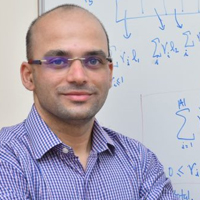 Dr. Ashutosh ModiAssistant Professor, Computer Science & Engineering, IIT Kanpur
 Dr. Avik SarkarSenior Research Fellow, Big Data and AI, Indian School of Business
 Prof G C NandiFull Professor, IIIT Allahabad
 Prof C Krishna MohanProfessor & Dean, Computer Science & Engineering, IIT Hyderabad
 Mr. Jibu EliasResearch and Content Head, INDIAai, National AI Portal
 Prof. Anshul KumarProfessor, Computer Science & Engineering, IIT Delhi
Eight of roughly 250. The full panel spans the IITs, IIMs, IIITs, the Indian School of Business, the Department of Science & Technology, MeitY, CERT-In, ICMR, the ITU, GSMA and firms including Khosla Ventures and Blume Ventures. See the full jury panel.
AI winners at the 16th edition
Eighteen of the twenty-one AI and generative AI recognitions, photographed at the ceremony in New Delhi.
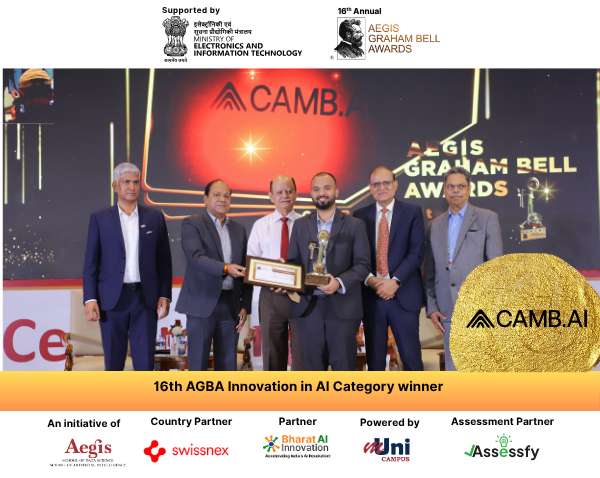
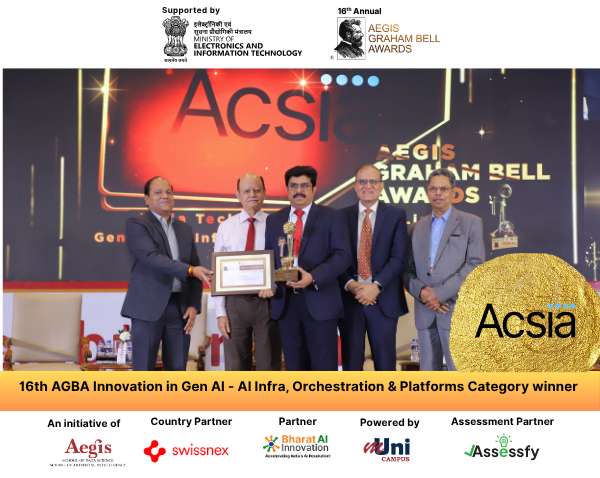
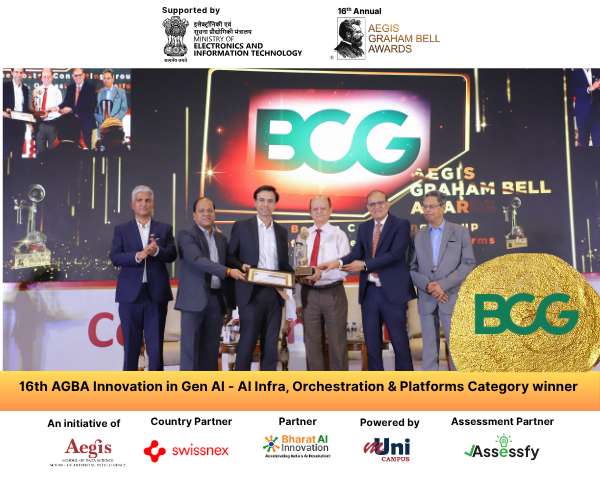
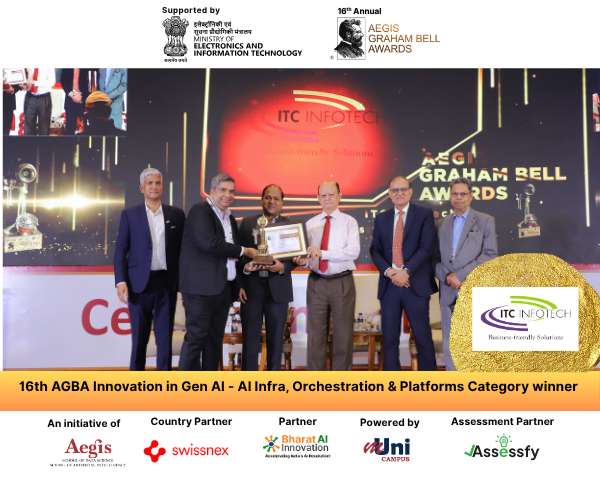
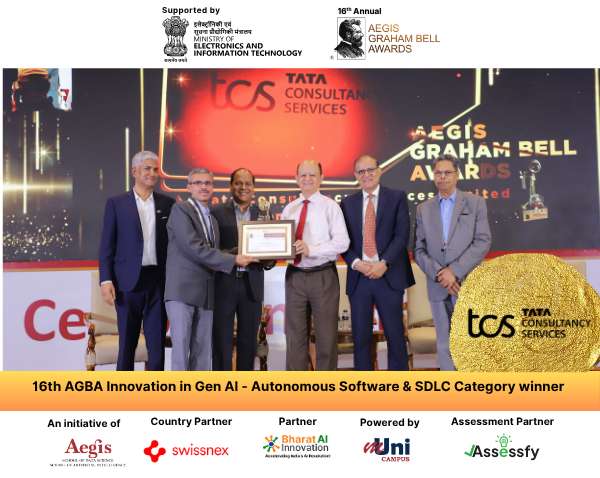
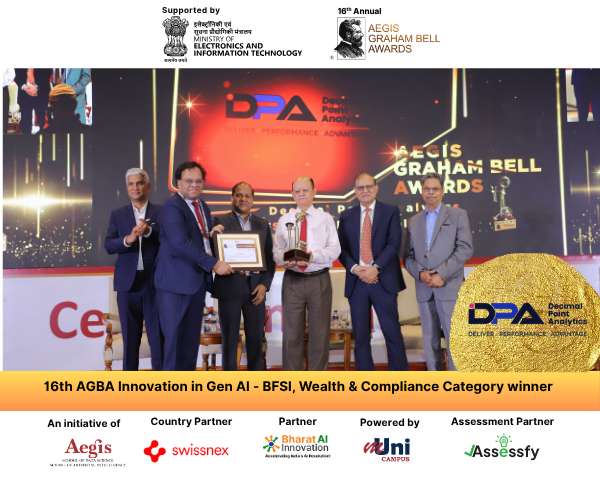
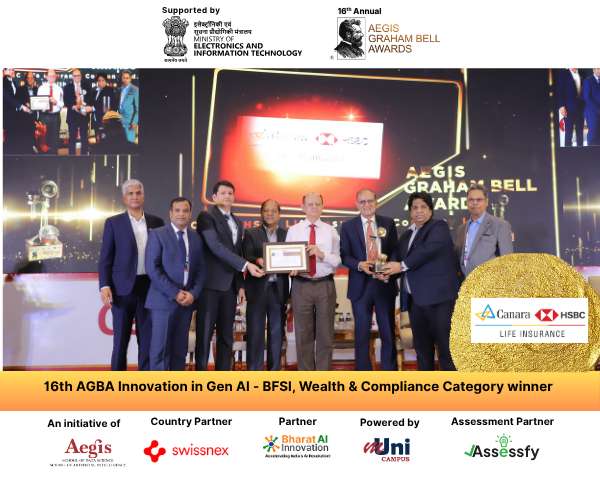
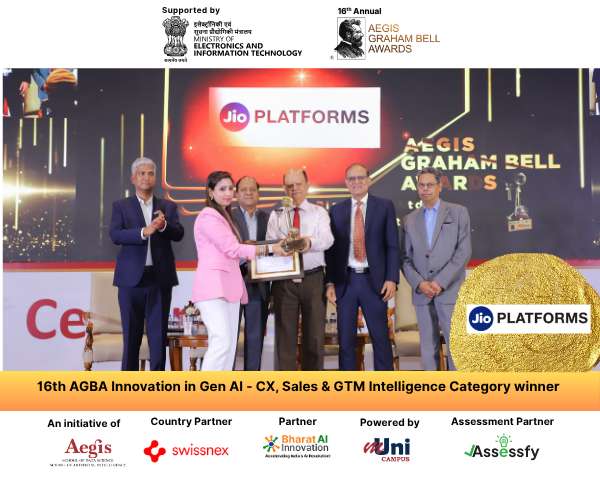
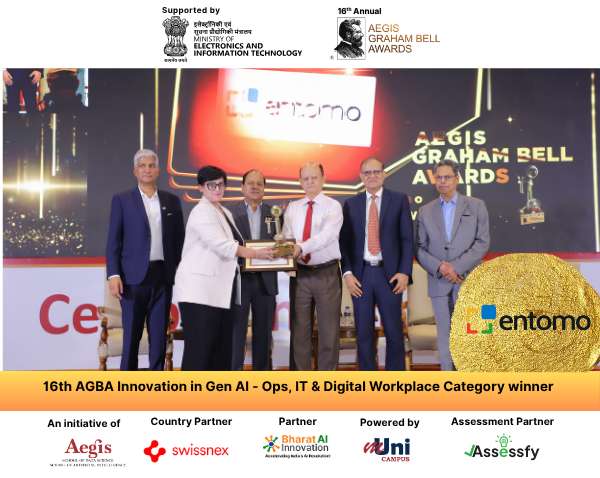
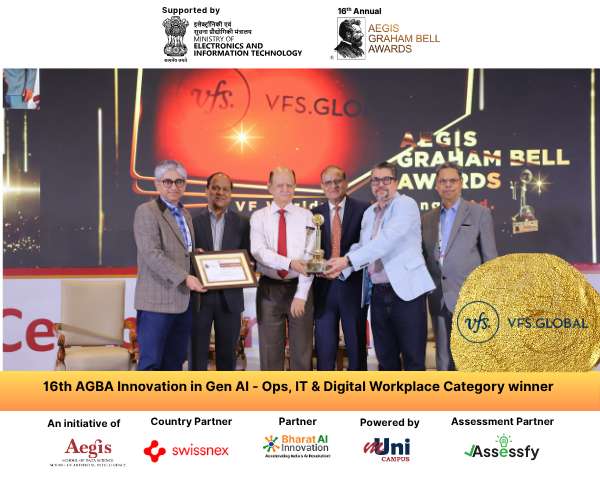
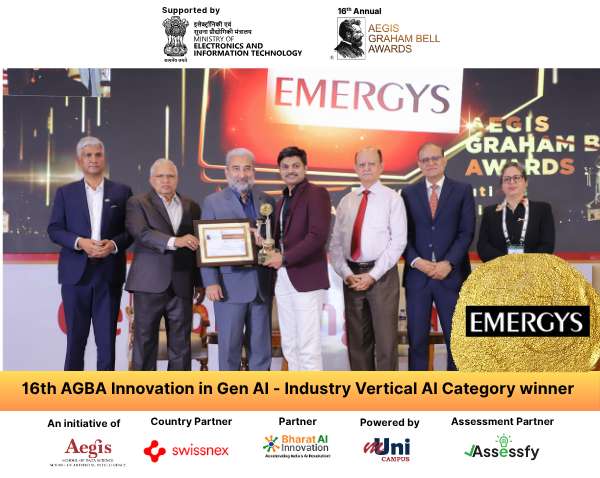
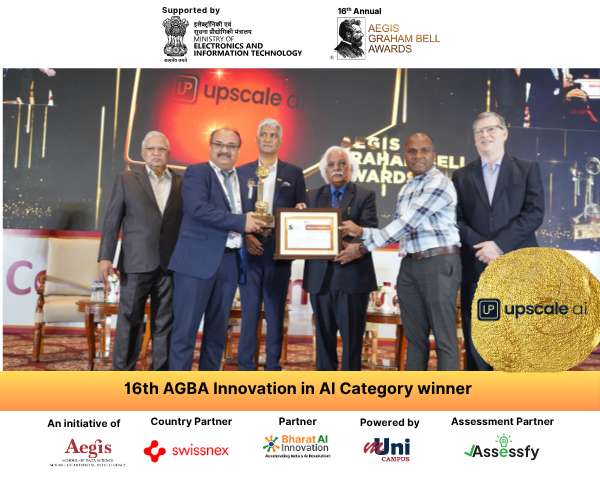
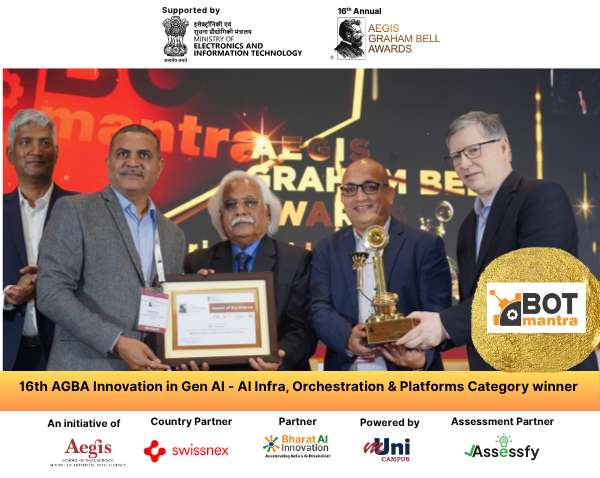
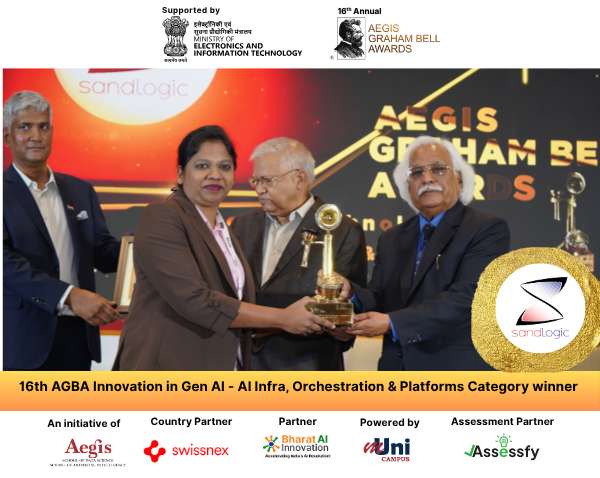
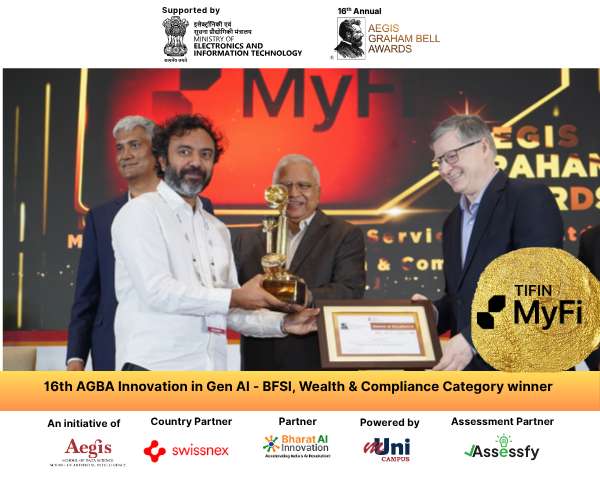
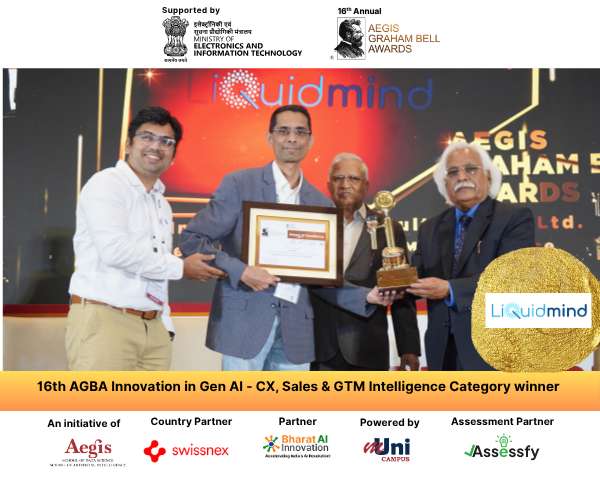
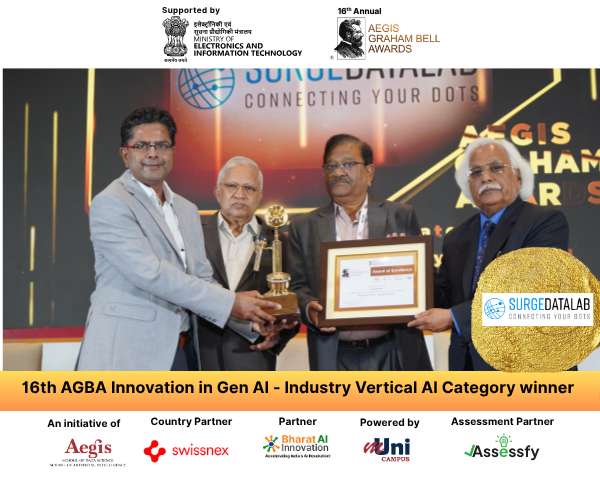
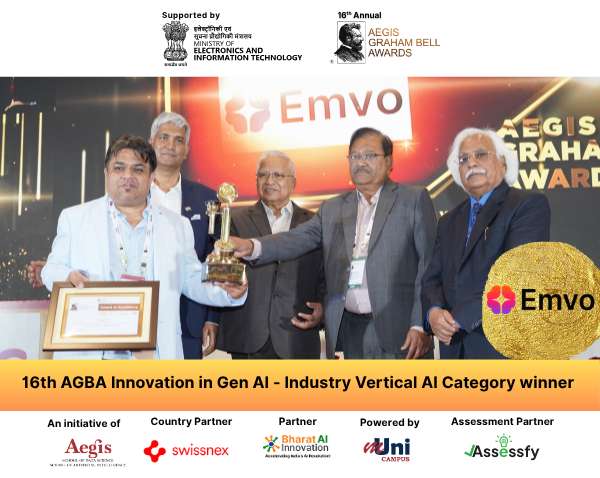
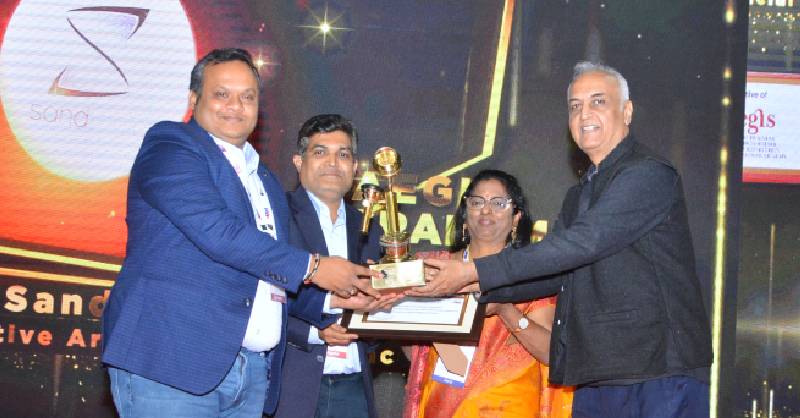
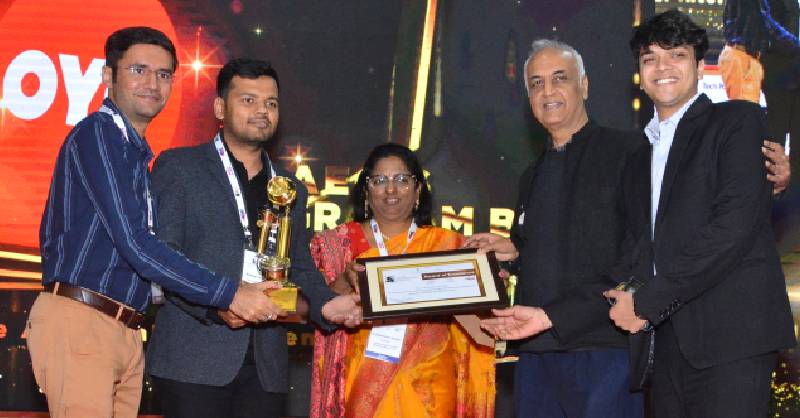

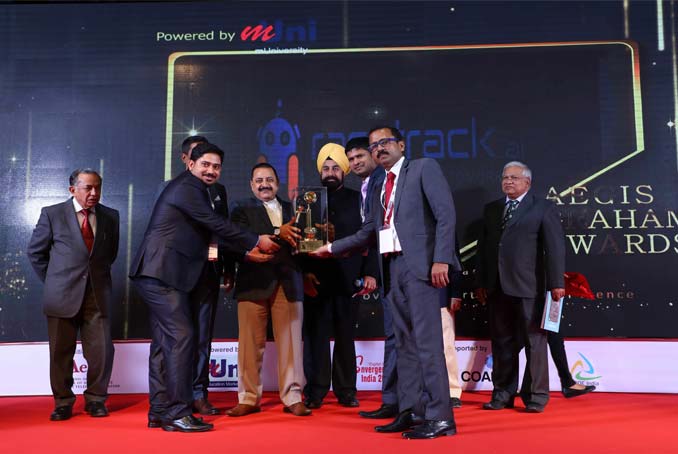
AI winners, 16th edition
Twenty-one recognitions across AI and generative AI, in both tracks. This is the standard your nomination is read against.
Winners from the 1st to the 16th edition are listed in the winners archive.
What happens after you submit
-
Stage one · nowNomination registration
Register your company and category through the nomination process, then complete the detailed nomination form and processing fee.
-
Stage twoJury presentation
Present the innovation to the jury and take questions. Jurors score each entry against the four evaluation criteria and rank it within its category.
-
Stage threeStar Certification
Nominees are also assessed for AGBA Innovation Star Certification, an independent maturity rating alongside the category judging.
-
Stage fourFinalists announced
Once every category has been evaluated, finalists are announced on the website ahead of the ceremony.
-
Stage fiveAward ceremony
Winners are honoured on 18 February 2027 at Hotel Ashoka, Chanakyapuri, New Delhi.
Before you write your nomination
Do we need to have trained our own model to enter?
No. Fine-tuning, distillation, retrieval architecture and inference engineering all qualify. What matters is that the AI work itself is the innovation, rather than a thin layer over a commercial API.
How do I choose between Core AI, Functional AI and Industry AI?
Ask where the novelty lies:
- Core AI — the novelty is in the model or the AI architecture itself: a foundation model, an agentic system, or a retrieval or inference approach.
- Functional AI — the AI is built for a function that almost every company has, such as sales, CX, finance or operations, and the same approach would work in any industry.
- Industry AI — the design only makes sense because of one sector’s regulation, physics or workflow, such as BFSI, health, retail, telecom, manufacturing, agriculture or the public sector.
Enter once — splitting a single innovation across categories weakens both entries.
Can a startup compete against Tata Consultancy Services and BCG?
Enterprise and startup entries are recognised in separate tracks. In the 16th edition, nine of the twenty-one AI recognitions went to startups.
Who actually reads the nomination?
An independent jury panel, not the organisers. For Core AI that means researchers and practitioners from institutions such as IIT Kanpur, IIT Delhi, IIT Hyderabad, IIIT Allahabad, the Indian School of Business, INDIAai and industry R&D.
What do winners receive?
Recognition at the 17th Aegis Graham Bell Awards ceremony on 18 February 2027 at Hotel Ashoka, Chanakyapuri, New Delhi, and a place on a roll of honour running back to 2010. Nominees may also be assessed for AGBA Innovation Star Certification.
How do I submit a nomination?
Through the nomination process, which sets out the stages, the supporting material required and the current edition’s dates.
Put your model in front of the panel
Nominations for the AI Innovation Award are read by an independent jury of academics, scientists and practitioners. Bring the numbers you can defend.