

The Data Science Innovation Award
This category is for the work between raw data and a decision someone actually made differently. It covers data platforms, feature engineering, causal and statistical methods, and analytics products where the rigour is the innovation.
- Independent jury
- 250
- Innovations evaluated
- 4,500+
- Star rating
- 1–5
- Running since
- 2010
Academics, scientists, officials, investors
Across seventeen editions
Every nominee earns an AGBA Innovation Star
India’s longest-running innovation award
Three categories sit close to data. This is the one about method and evidence.
Most nominations that fail here fail because they were in the wrong category. Read across before you write anything.
Innovation in Data Science
Data platforms, causal and statistical method, and analytics products where the rigour is the innovation.
This category
Innovation in Core AI
Foundation models, agentic AI, RAG systems, edge inference and MLOps — where the innovation is in the AI itself.
Innovation in Functional AI
AI deployed inside a business function — sales, marketing, CX, operations, finance — judged on that function’s own numbers.
Who should enter
- Data platforms and pipelines that unlocked analysis that was previously impractical
- Causal inference, experimentation and decision-science work with business consequences
- Forecasting and optimisation systems running against real operational constraints
- Analytics products that changed what a non-technical team could do unaided
- Data quality, lineage and governance work that made everything downstream trustworthy
What this award recognises is the work between raw data and a decision someone actually made differently. A dashboard nobody acted on does not qualify.
If the innovation is in the model architecture or the AI infrastructure itself, Core AI is the better fit. If the evidence is a business function’s own numbers moving, look at Functional AI instead.
What the jury looks for
- Problem definition & market opportunityWhether the innovation solves a real problem, backed by evidence and a measurable impact on its target audience.
- InnovativenessNovelty and uniqueness — new technology, functionality or business model — measured against what already exists, including IP.
- Market potential & impactSize and growth of the addressable market, competitive landscape, and scalability across geographies.
- Social impact & sustainabilityContribution to society and the environment, including social responsibility and the UN Sustainable Development Goals.
These are the same four criteria — problem definition, innovativeness, market impact and social/sustainability impact — used to assess every category. In this category the jury also weighs methodological rigour — including what you did to avoid fooling yourselves — the decision that changed as a result and what it was worth, the reproducibility and honesty of the evaluation, and the engineering quality of the data foundation underneath. Read the full evaluation criteria.
Who judges this category
Nominations are assessed by an independent jury, not by the organisers. Jurors are matched to the categories where their expertise lies. These are among those who read data science and analytics entries.
 Dr. Avik SarkarBig Data and AI expert, Indian School of Business
 Dr. Abhijit GangopadhyayDean, Aegis School of Data Science & Cyber Security
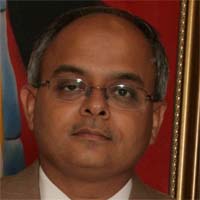 Dr. Vinay KulkarniAdjunct Professor, IIT Bombay; Director and Mentor, Aegis School of Business
 Prof. Pabitra MitraProfessor, IIT Kharagpur
 Prof. Ravi ShankarAmar S. Gupta Chair Professor of Decision Science, IIT Delhi
 Prof. Emel AktasChair of Supply Chain Analytics, Cranfield School of Management
 Prof. Aruna TiwariProfessor, Computer Science and Engineering, IIT Indore
 Prof. C Krishna MohanProfessor, Computer Science and Engineering, IIT Hyderabad
 Kanu GulatiPartner, Khosla Ventures
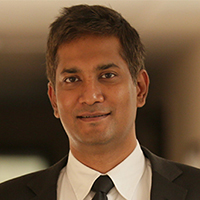 Mr. Bhupesh DaheriaCEO, Aegis School of Data Science & Cyber Security
Ten of roughly 250. The full panel spans the IITs, the IIMs, the IIITs, the Indian School of Business, the Department of Science & Technology, MeitY and CERT-In, and organisations such as the ITU, GSMA and leading venture funds. See the full jury panel.
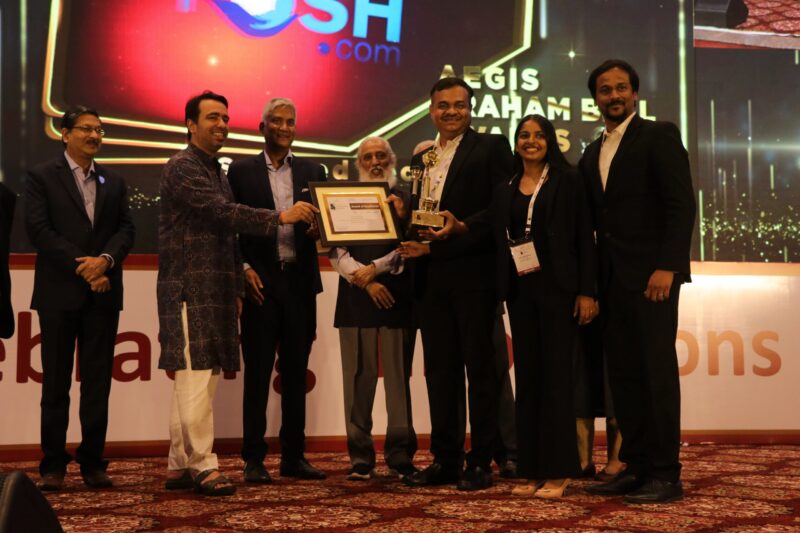
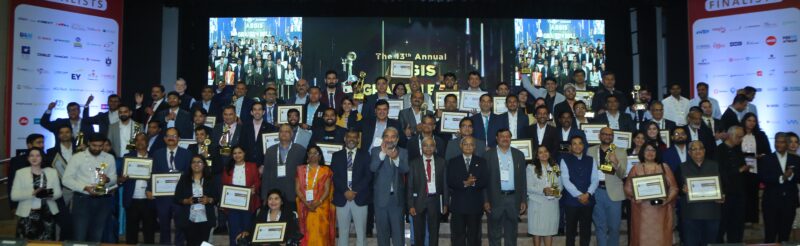
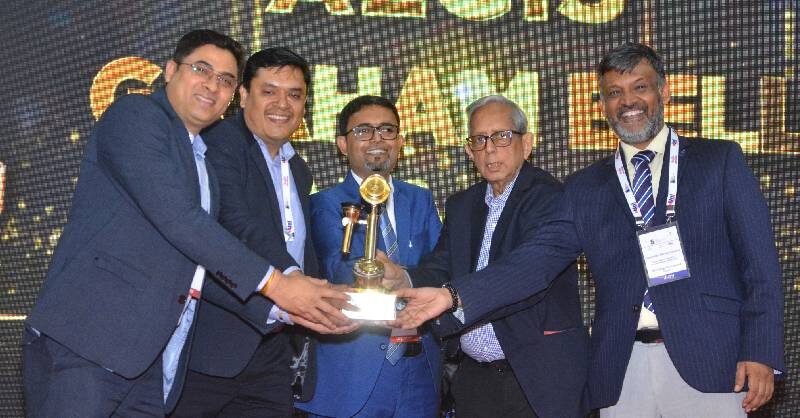
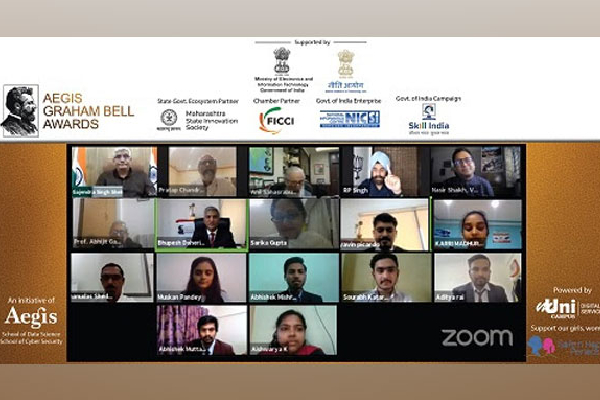
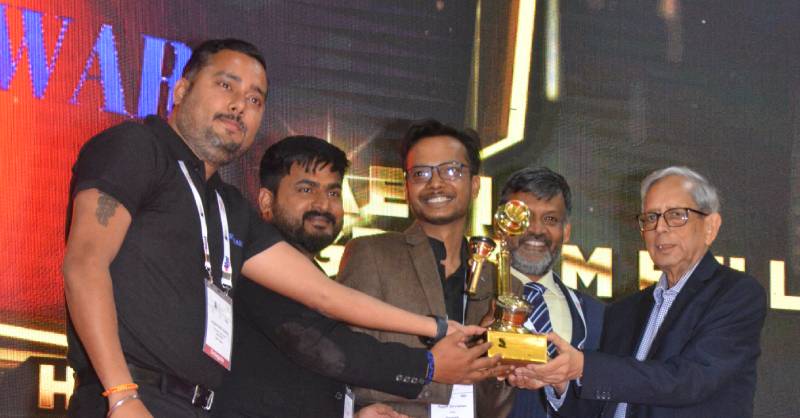
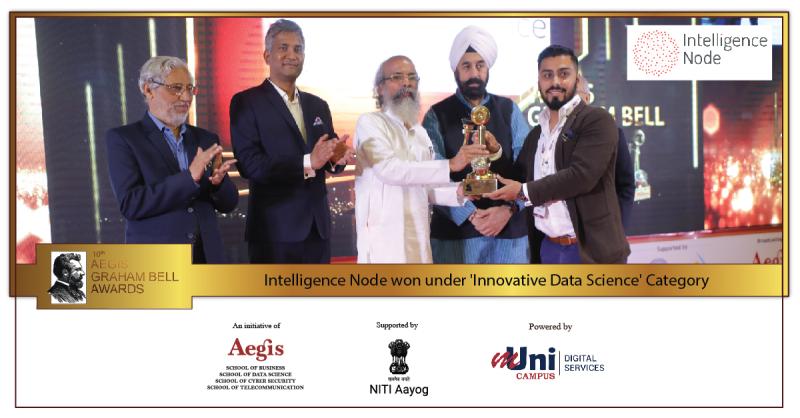
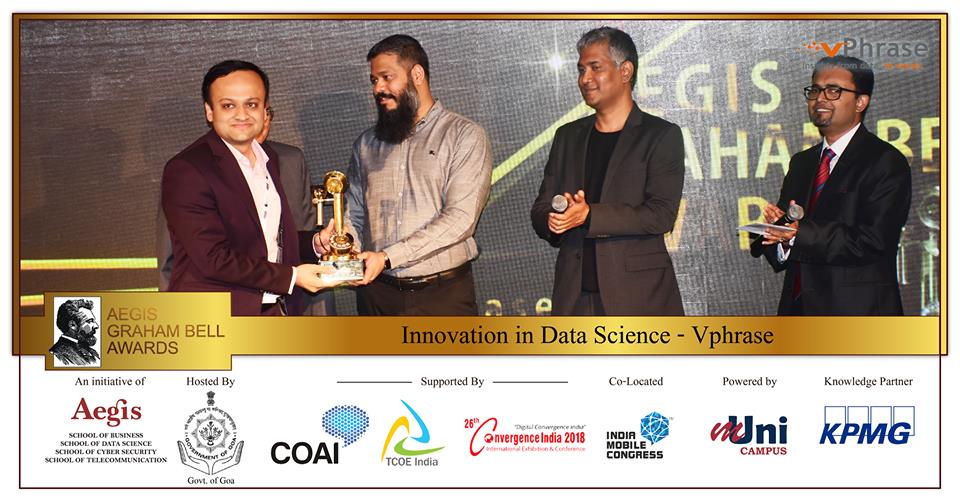
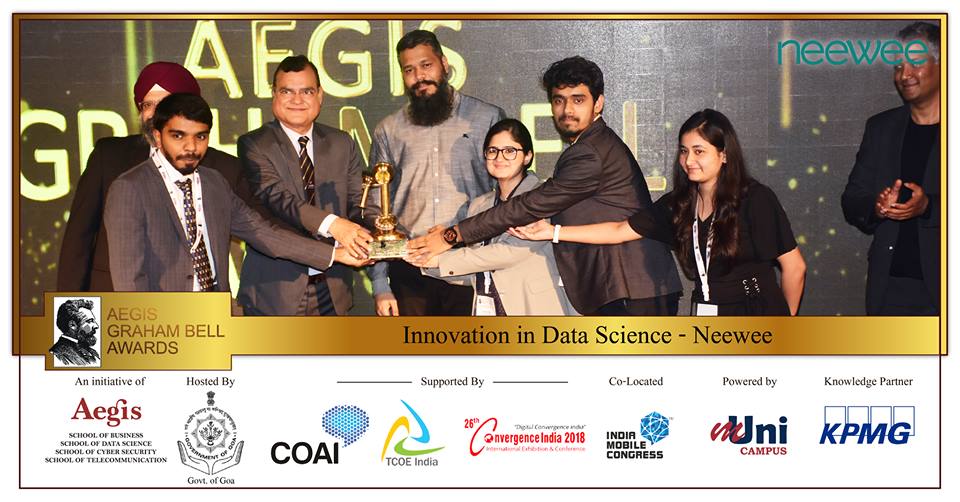
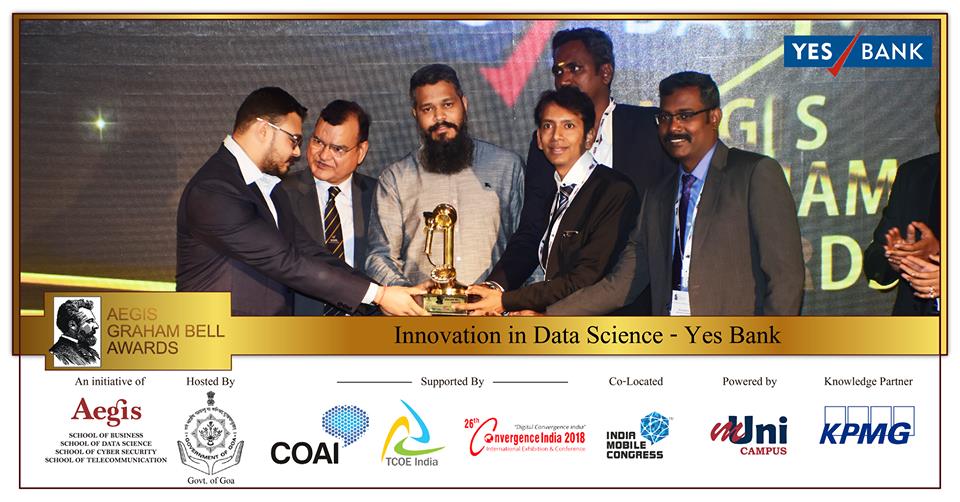
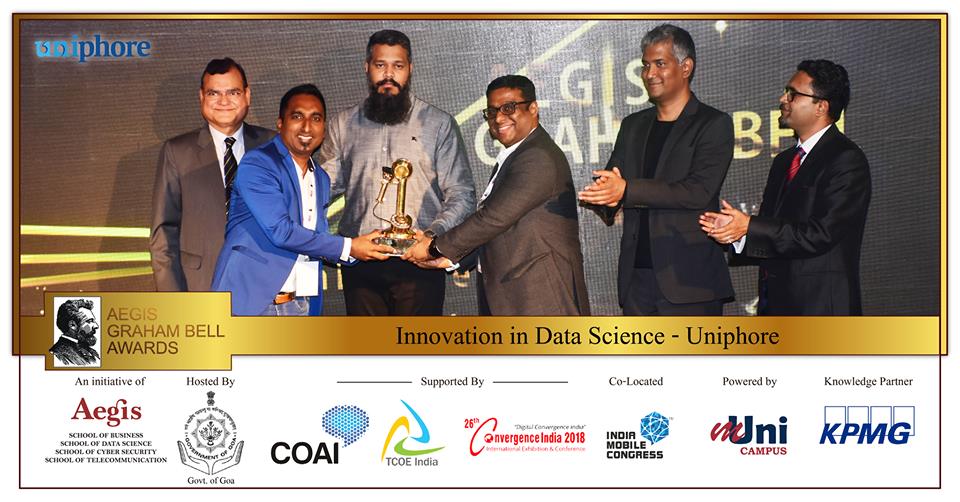
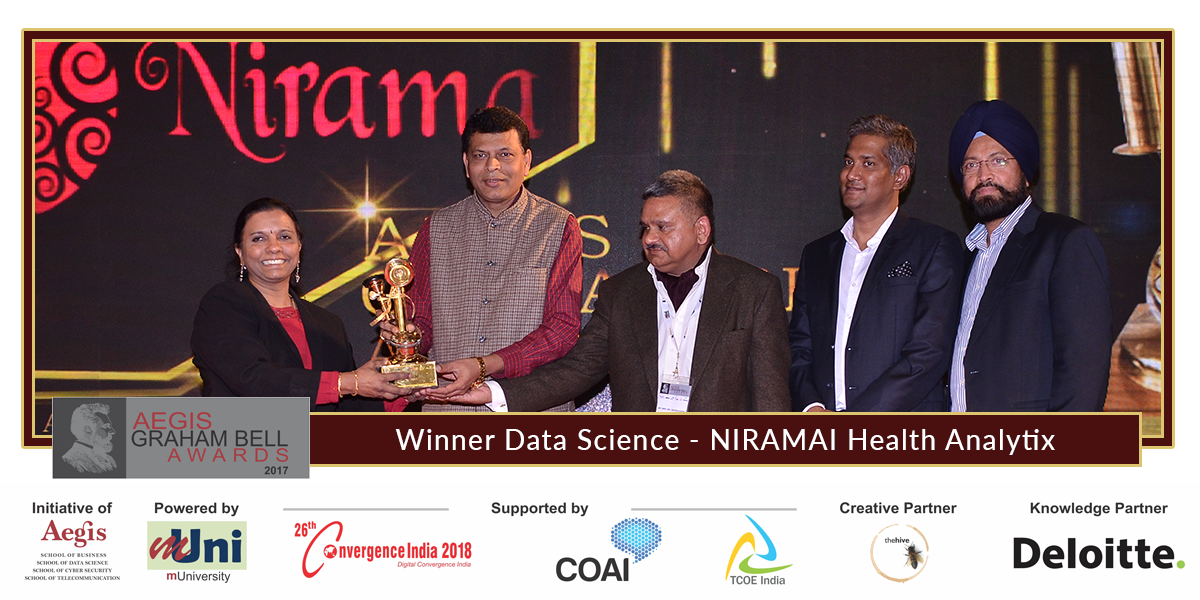
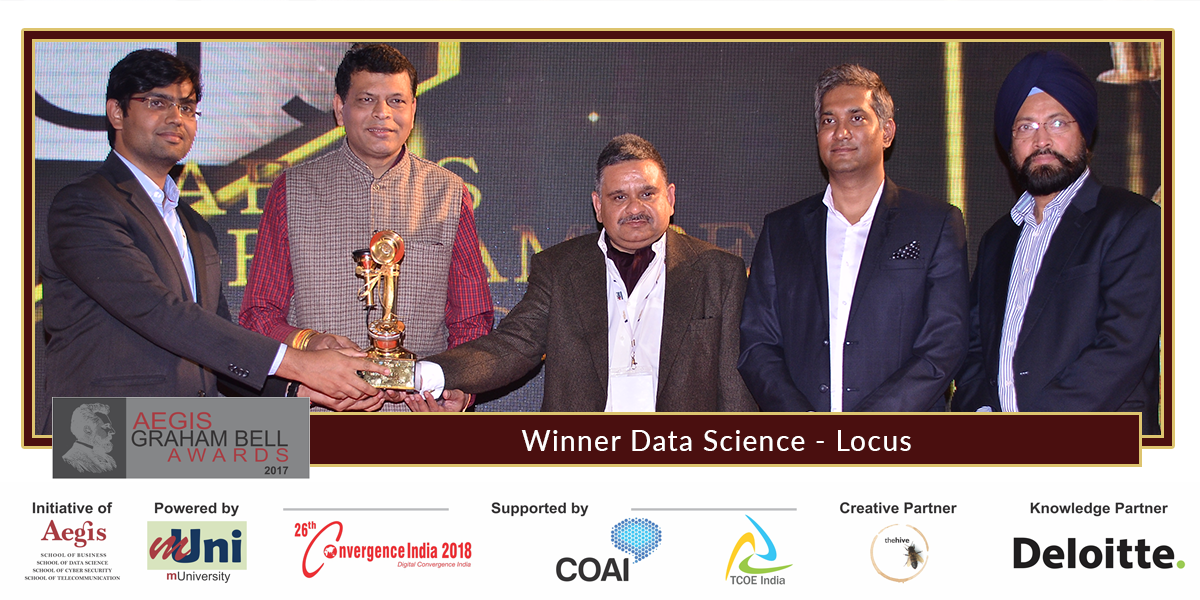
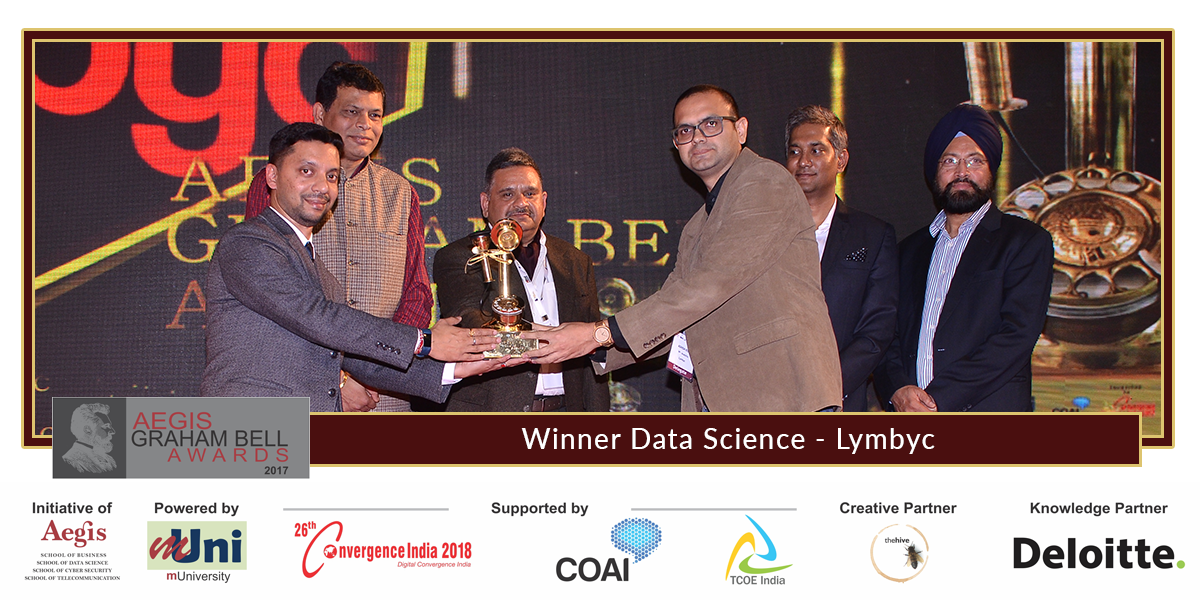
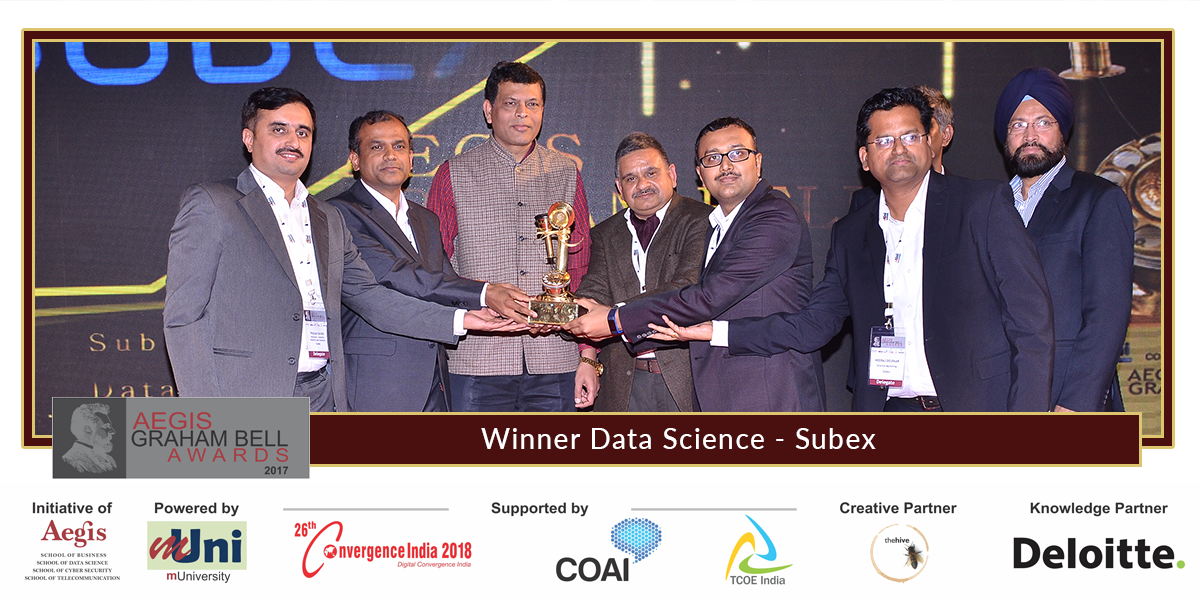
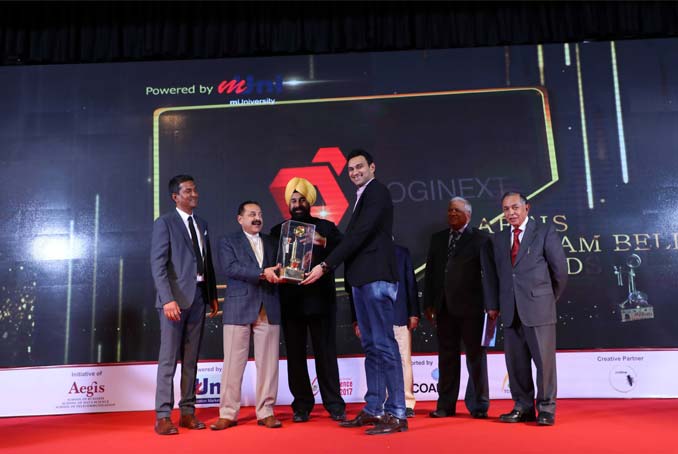
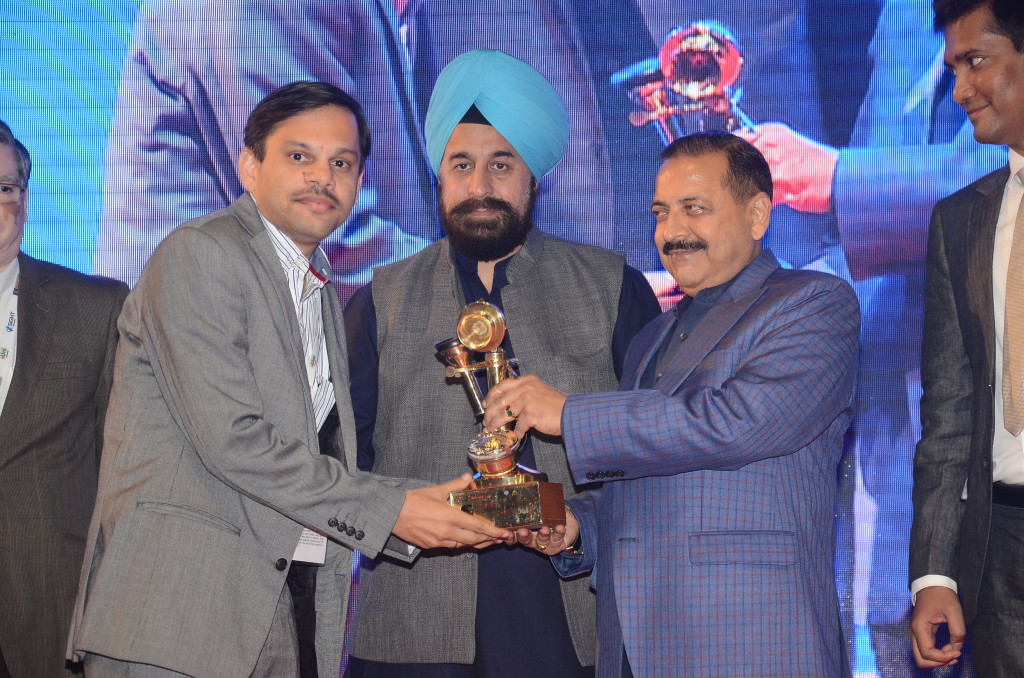
Data science on the podium
Moments from the ceremonies at which data science and analytics work was recognised.

Previous winners
Data science and analytics have been recognised across recent editions under several category names. A selection of winners and finalists follows, drawn from the published Aegis Graham Bell Awards records; the complete edition by edition record for every category sits in the winners archive.
Category names have changed across editions as the field has moved; the rows above are the closest equivalents in the published record. See the winners archive for the full 1st–16th edition history.
What happens after you submit
-
Stage one · nowNomination registration
Register your company and category through the nomination process, then complete the detailed nomination form and processing fee.
-
Stage twoJury presentation
Present the innovation to the jury and take questions. Jurors score each entry against the four evaluation criteria and rank it within its category.
-
Stage threeStar Certification
Nominees are also assessed for AGBA Innovation Star Certification, an independent maturity rating alongside the category judging.
-
Stage fourFinalists announced
Once every category has been evaluated, finalists are announced on the website ahead of the ceremony.
-
Stage fiveAward ceremony
Winners are honoured on 18 February 2027 at Hotel Ashoka, Chanakyapuri, New Delhi.
Before you write your nomination
Is this category for machine learning, or is that Core AI?
Applied modelling and statistical work belongs here. If the innovation is in the model architecture or AI infrastructure itself, enter Core AI.
Do we need to share our dataset?
No. You need to describe it well enough that the jury can judge whether your conclusions follow from it.
How do I choose between Data Science, Core AI and Functional AI?
Ask where the evidence sits:
- Data Science — the evidence is in the method: the data foundation, the analysis and the decision it changed.
- Core AI — the evidence is in the model, the architecture or the AI infrastructure itself.
- Functional AI — the evidence is a business function’s own numbers moving after deployment.
Enter once — splitting a single innovation across categories weakens both entries.
How do I submit a nomination?
Nominations are submitted through the nomination process, which sets out the stages, the supporting material required and the current edition’s dates.
Put your method in front of the panel
Nominations for the Data Science Innovation Award are read by an independent jury of academics, scientists and practitioners. Bring the evaluation you can defend, not just the result.